#TBT Cultivating Connection

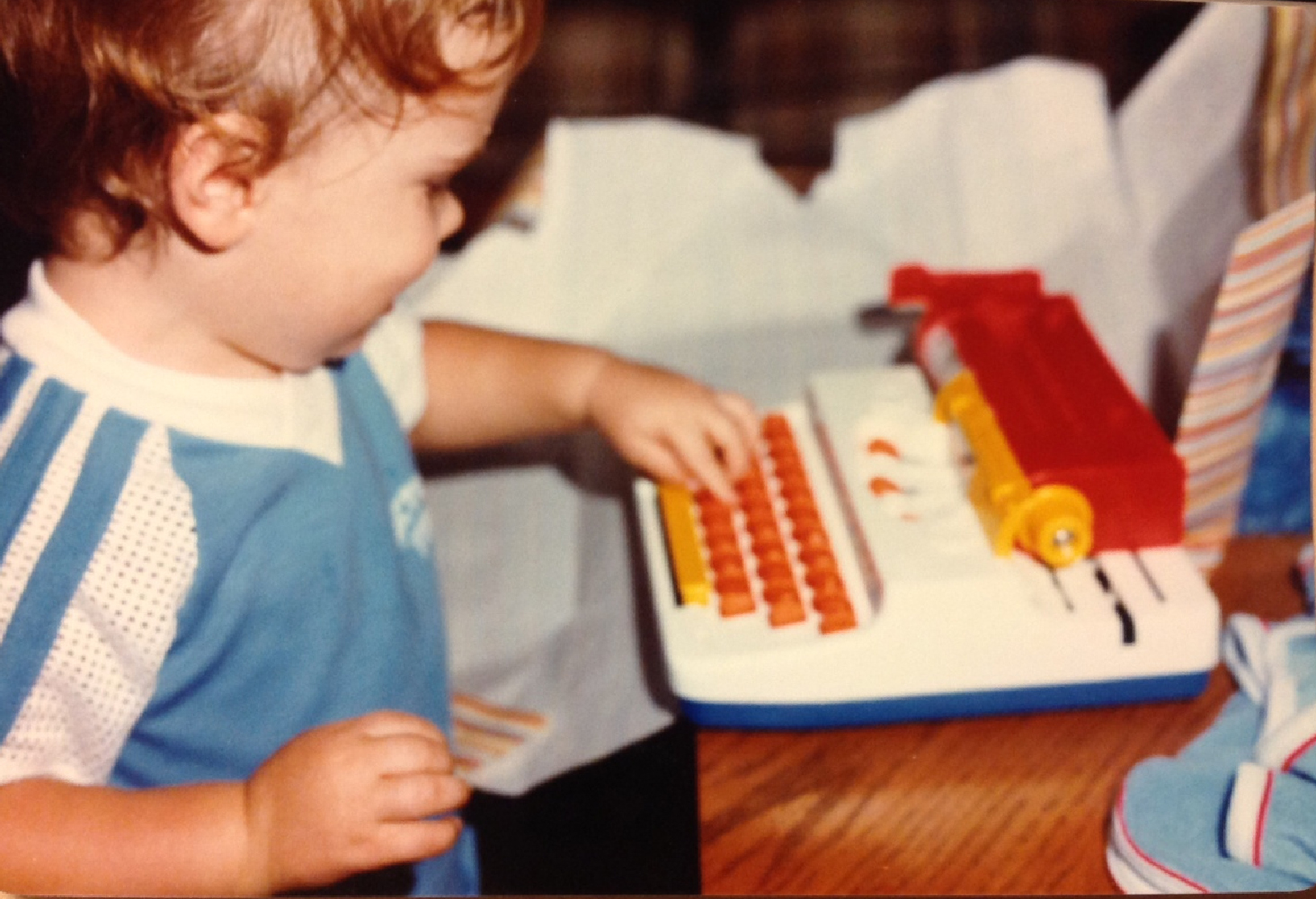
Baby Brother Picture

#TBTT: Throwback Tech Tuesday

Reading The Culture of Connectivity by Jose Van Dijck, I came across an interesting quote regarding how Facebook’s Timeline format:

“Cues members to post pictures from the pre-Facebook days of their youth – a baby picture, family snapshots, school classes, old friends, college years, wedding pictures, honeymoon – and thus experience content in terms of their life’s story…Timeline caused enhanced feelings of intimacy, memory and connectedness” (55).

My Facebook identity begins the day I created my profile. I upload pictures and videos in real-time, but did not readily add media reflecting my pre-Facebook life. That is until the creation of the platform-agnostic trend Throwback Thursday.

Continue reading

Convenience Culture

I was recently surfing through Amazon and could not stop thinking about how dramatically online capabilities have altered traditional shopping. You no longer have to leave the couch or ask an associate if they have more sizes in the back. You may not bring a friend, but who needs one? Algorithms pull items according to your taste and other shoppers post lengthy reviews that can reaffirm or negate your concerns.

This reminds me again of that Winston Churchill quote used by Sherry Turkle in Alone Together: “We shape buildings and then they shape us.” Computer’s reshaping of culture goes beyond shopping – it creates new consumer expectations for all brands/companies.

Continue reading

New Media, New Rules

Where do we draw the line between old and new media? How does this shift impact media creation and consumption? This week I had the pleasure of trudging through some fairly technical excerpts that explore these questions and more.

First, Lev Manovich’s The Language of New Media distills blockbuster movies, glossy magazines and multimedia websites into algorithms. This reduction to numerical data references how we transitioned from printing press to Wikipedia. To pinpoint the shift from old to new, Manovich leads with a detailed but separate history of media (e.g., radio, print, film, etc.) and computer.

Continue reading

Attention! Sacrificing Quality for Quantity

Let’s turn a critical eye on one of the most celebrated benefits of technology – its support of multitasking. At home and work, we leverage technology to simultaneously cross items off the ever-growing “To Do” list. The multitasking high has left me restless.

I can no longer stick to task A, I must also be working on task B and watching email. Honestly, focusing all efforts on a single task would make me feel inefficient and lazy. But it may have the opposite results.

Continue reading

Better on Screen?

“We shape our building and then they shape us.” Sherry Turkle closes the intro to her book Alone Together with this Winston Churchill quote asking that consumers think about the impacts of technology and whether it serves “our human purposes” (19). With this approach in mind, let’s consider how technology reshapes our interactions.

What is the preferred medium for communication? Turkle spotlights the proliferation of emails as well as text and instant messages, and even uses the phrase “avoid the voice” (206) to address the decline in face-to-face and phone conversations. Before pointing at Gen Y speed texters, understand that the screen communication trend transcends generations. It also applies to interactions with family, friends, coworkers and customers.

Continue reading